From £8.50 to £1.70 per Lead: A Facebook Ads Case Study
How I took an energy comparison company from paying about £8.50 to about £1.70 for each lead, and generated about £403,000 in 13 months with about £16,800 of Facebook ads.
This Facebook ads case study shows how an energy company moved from £8.50 to £1.70 per lead. I worked with a company that compares gas and electricity bills for 13 months. In that time we generated about £403,000 with about £16,800 of ad spend.
Figures are converted from euros at roughly €1 = £0.85 and rounded. The campaigns ran in Italy.
The situation when we met
When they contacted me to review the account, the first thing they said was: “Our Facebook campaigns don’t work as well as we would like.”
Yet they had what it takes: a solid budget of about £1,275 a month, an Instagram page with a real following and fun, original content, and a strong offer. They analysed your bill for free, and if they found a better saving, a money-back guarantee applied. The owner also knew how to talk to people.
Still, every lead cost them about £8.50. That is not a disastrous figure, but I felt there was room to do much better.
With that budget they generated about 150 leads a month, and 1 in 4 became a customer, which is a good rate. That meant about 37 customers a month, worth about £15,700. It worked on paper, but they were leaving money on the table.
The problem with their Facebook ads
I asked for access to the ad account and started looking. I found campaigns running without a clear logic, ads shown only to people who had never heard of them, no ads for people who already followed them on Instagram, and no attempt to win back people who had seen their content.
The Instagram page was doing very well, with original posts, comments, shares and a lot of attention. And that attention was not being used. It was like having a shop full of people looking at the products while you ignore them and go out to find customers in the street.
I asked myself: “Why spend £8.50 to convince someone who doesn’t know you, when I can spend £1.70 to talk to someone who already follows you?” That is where the idea started.
The strategy: two campaigns working together
Campaign 1: introduce the brand to new people
The first campaign targeted people who did not know the company. I used a video of the owner simulating a phone call with an operator from an energy company. It showed how operators offer low prices on the phone, while the contract says something different. Then it presented the company’s offer: a free bill analysis, covered by the money-back guarantee.
This campaign cost about £5.50 per lead. I was buying attention and making people aware of the brand.
Campaign 2: talk to people who already know them
The second campaign used the same video, shown only to two groups: people who already followed the Instagram page and interacted with its posts, and people who had already watched the video from the first campaign. These people knew who the company was and trusted it, and they only needed to take the next step.
The result was striking: about £1.30 per lead.
The first campaign brought new people and built awareness. The second won back everyone already interested and convinced them to leave their details. The final average cost was about £1.70 per lead, against £8.50 at the start. That is a cut of 80%.
The numbers after 13 months
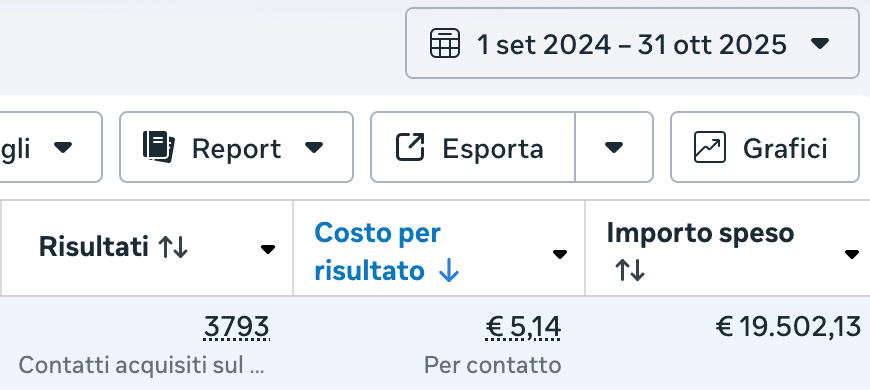
Spend: about £42 a day for 13 months, about £16,800 in total.
Leads: 3,794, at an average of about £1.70 each.
Customers: 948 (1 in 4 leads converted), each worth about £425 a year.
Revenue: about £403,000. Every pound spent on ads generated about £24.
The best part is that after 13 months the campaign is still running. When a strategy works, it keeps working.
Why it worked (in my opinion)
It was not a genius tactic or a secret formula. It came down to three things.
1. The video educated people and did not push them to buy. Most ads shout “BUY! SIGN UP! CALL NOW!”. Here we showed how competitors mislead customers. People do not like being taken for a ride, and the video put the company on the right side.
2. The Instagram page was excellent. Many companies have a social page where people interact, and never connect it to advertising. It is like owning a database of people who know and trust you and doing nothing with it. Here we showed the ads to everyone who already followed the page. The cost was very low and the results very high.
3. Two audiences, two messages. To people who did not know the company we showed who they were and why to trust them. To people who already followed them we said: “Now is the time to try.” Two audiences, the same video and a slightly different approach.
Could it work for your business?
It depends. This strategy makes sense if you run a local business or sell high-margin services, if each customer brings you at least £250 to £425, if you post regularly on a social page (or want to start), and if you can invest at least £25 to £42 a day in advertising.
It makes little sense if you sell low-cost products, have no social media presence, or have no clear idea of what you offer and why someone should choose you.
If you think this could work for your business, tell me about it on WhatsApp. I will look at your case, tell you honestly what I think and, if there is room to improve, explain how we could work together.
P.S. I follow a small number of businesses at a time, because I manage the campaigns myself. If I look at your case and it is not a fit, I will tell you straight away.

Want results like these for your business?
Tell me about your business on WhatsApp. I reply personally, and we look at your numbers together.
Talk to me on WhatsApp →